
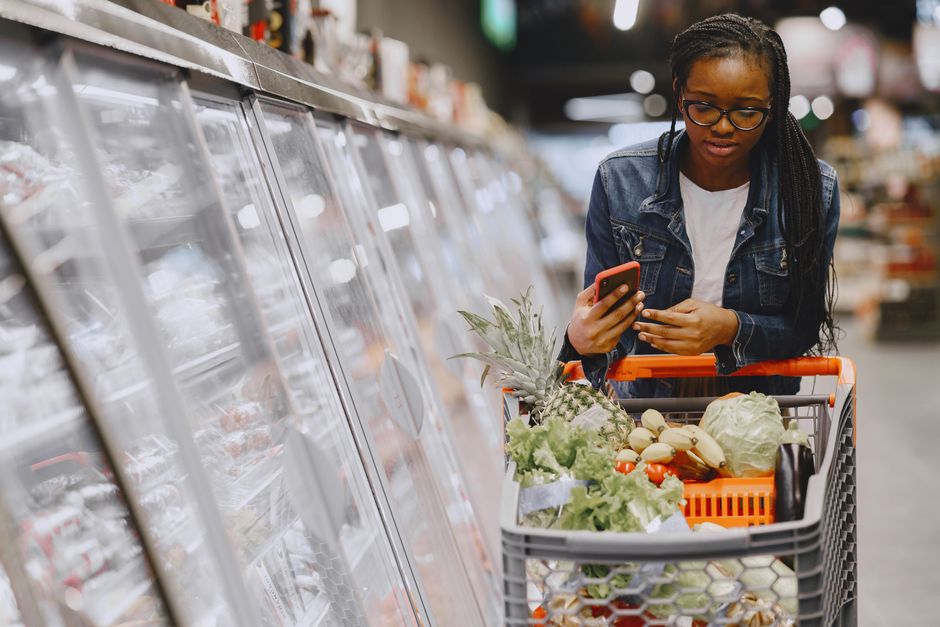
Every time we walk up to the checkout lane, it feels like our grocery receipts are getting longer while our bags are getting lighter. According to recent data from the U.S. Bureau of Labor Statistics, food-at-home prices have climbed another 2.7% over the last year. Feeding a family of four in the United States today costs anywhere from $1,000 to over $1,400 a month on average, depending on how tightly you manage your kitchen budget. For many of our families, groceries represent one of the largest monthly expenses—but it is also the easiest one to control if you know how to shop smart.
Gone are the days when we could just drive to the nearest supermarket and assume we were getting a fair deal. Today, the exact same brand of rice, cooking oil, or laundry detergent can cost up to 30% more at one supermarket compared to another just down the street. To keep your hard-earned dollars in your pocket, you need a quick, modern system to compare prices before you ever start your car.
1. Harness the Power of Digital Flyers
You do not need to collect a mountain of paper circulars from your mailbox anymore. Free apps like Flipp aggregate all the weekly flyers from local supermarkets in your zip code. This is incredibly useful for planning your weekly meals around what is actually on sale, especially when it comes to high-ticket items like meat, poultry, and fresh produce. Before you plan your weekend family dinner, open the app, search for your main ingredients, and see which local store is running the best special.
2. Compare Whole Baskets, Not Just Single Items
A store might have incredibly cheap avocados to lure you in, but they make up for it by charging higher prices on bread, milk, and spices. To avoid getting tricked, use tools like Basket. This app allows you to build a virtual shopping list of the items you need and instantly compares the total cost across local physical stores like Walmart, Target, and regional grocery chains. Seeing the bottom-line total before you walk out the door ensures you do not waste time and gas driving to three different locations just to save fifty cents.
3. Stop Looking at the Price Tag—Look at the Unit Price
Many of us love shopping at bulk warehouses like Costco or Sam’s Club, assuming bigger always means cheaper. However, that is not always the case. The secret to true price comparison is looking at the unit price (the cost per ounce, pound, or gram), which is usually printed in tiny letters on the corner of the shelf tag. You can also use handy comparison tools like Popgot to quickly compare the unit prices of household staples across online retailers, bulk warehouses, and traditional stores. Sometimes, buying a medium-sized pack at Walmart or your local neighborhood market is actually cheaper per ounce than buying a giant tub of the same product at a warehouse club.
4. Do Not Ignore Local and Ethnic Supermarkets
While mainstream chains are highly convenient, regional and Hispanic supermarkets often have much better prices on fresh produce, bulk dried beans, spices, and specific cuts of meat. Take a moment to compare the produce prices of your local chains with neighborhood ethnic markets. Because these stores move large volumes of fresh ingredients daily, they can often offer fruits, vegetables, and meats at a fraction of the cost found at major nationwide retailers.
5. Keep a “Price Book” for Your Staples
You do not need to remember the price of every item in the store, but you should know the “rock-bottom” price of your family’s top ten staples—like milk, eggs, rice, beans, and cooking oil. Keep a simple note on your phone with the lowest price you have seen for these items and where you found it. When a store advertises a “huge sale” on cooking oil, a quick glance at your phone will tell you if it is a genuine bargain or just a marketing trick.
By spending just 10 minutes comparing prices before you head out, you can easily shave 15% to 20% off your monthly household expenses. Saving money is not about depriving your family; it is about outsmarting the system. Happy shopping, and let us keep those savings growing!
Fuentes consultadas
- tastingtable.com
- bls.gov
- groceriestracker.com
- truenorthbudgeting.com
- cartlens.co
- groceriestracker.com
- reddit.com
Photo by Gustavo Fring on Pexels