
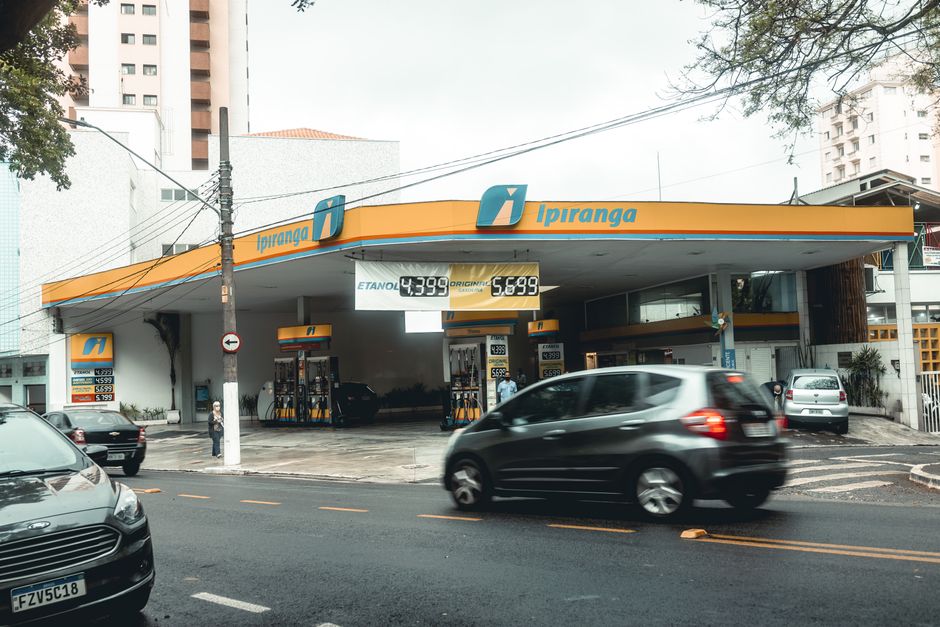
If you have filled up your car’s tank recently, you already know the painful truth: driving has become incredibly expensive. While we are seeing a slight dip in prices this week, the cost of fuel remains near historic highs. As of October 7, 2026, the national average for a gallon of regular gasoline sits at $4.37. Compare that to October of last year, when the average was around $3.16, and it is easy to see why so many families are feeling the squeeze.
What High Gas Prices Mean for Your Wallet
For the average Hispanic household in the United States, a car is not a luxury—it is an absolute necessity. Commuting to work, dropping the kids off at school, and running essential errands quickly add up. A year-over-year increase of more than $1.20 per gallon means that filling up a typical 15-gallon tank now costs roughly $18 more per fill-up. If your household has two cars and you fill up once a week, that is an extra $140 a month gone just to keep your vehicles moving.
But the impact does not stop at the pump. High energy costs—fueled by global crude oil prices hovering around $90 to $100 per barrel—trickle down into everything else we buy. Shipping companies, food distributors, and manufacturers all pay more for fuel, passing those costs onto consumers. This means grocery bills, retail purchases, and utility expenses are also feeling the pressure, leaving less room for savings or remittances.
Actionable Ways to Beat the Pump and Save Today
While we cannot control global oil markets, we can control how we shop for fuel and manage our driving habits. Here are four practical, highly effective strategies to help protect your household budget from high gas prices:
- Use Gas Finder Apps and Club Memberships: Do not just pull into the nearest station. Apps like GasBuddy, Upside, or Waze show you the cheapest fuel prices along your route. Additionally, warehouse clubs like Costco, Sam’s Club, or BJ’s often offer gas that is 10 to 30 cents cheaper per gallon than traditional stations, easily covering the cost of membership.
- Stack Rewards and Loyalty Programs: Almost every major gas station chain (such as Shell, Exxon, or BP) has a free loyalty program. Signing up can instantly save you 5 to 10 cents per gallon. You can also stack these savings with grocery store fuel rewards from chains like Kroger, Albertsons, or H-E-B, which allow you to accumulate points on groceries to redeem at the pump.
- Pay with Cash or Use Cash-Back Cards: Many gas stations charge a premium of 10 to 15 cents per gallon for credit card payments. If a station offers a lower “cash price,” keeping cash in your glove compartment can save you money. Otherwise, use a credit card that offers a high cash-back rate (ideally 3% to 5%) specifically for gas station purchases.
- Optimize Your Vehicle’s Fuel Efficiency: Small adjustments in driving habits yield big savings. Keeping tires properly inflated improves gas mileage by up to 3%. Additionally, avoiding aggressive driving—like speeding and rapid acceleration—can improve your fuel economy by up to 30% on the highway.
The Bottom Line
There is no denying that the current energy climate is straining household budgets across the country. However, by being intentional about where and how you buy gas, you can successfully claw back some of those hard-earned dollars. Saving $15 or $20 on each fill-up might seem small, but over the course of a year, these smart habits will keep hundreds of dollars where they belong: in your family’s pocket.
Fuentes consultadas
Photo by Marcio Skull on Pexels