
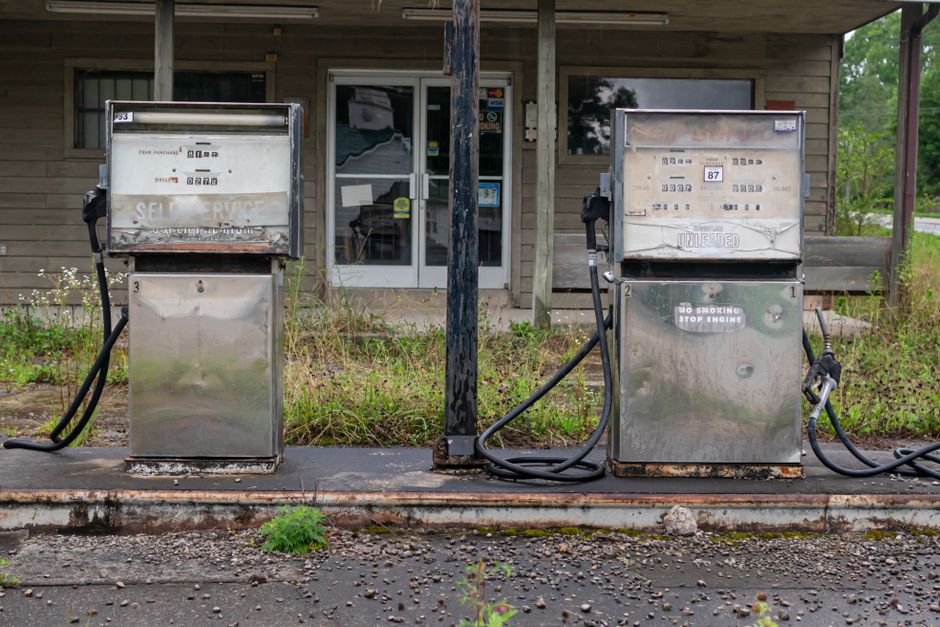
If you have stopped by a gas station recently, you have likely felt a familiar sting in your wallet. As of September 17, 2026, the national average for a gallon of regular gasoline has climbed to $4.44, according to AAA. Just a few weeks ago, we started the month around $4.14. This sudden, steep spike has left many families wondering how to keep their household budgets afloat.
The reasons behind this surge are largely global. Ongoing geopolitical tensions in the Middle East and heavy damage to Saudi Arabia’s East-West pipeline on September 11 have pushed crude oil prices back into the $90 to $100 per barrel range. When global energy markets shake, our household budgets feel the aftershocks. Let’s break down what this means for your daily spending and explore some practical ways to protect your hard-earned money.
The Hidden Impact of High Fuel Prices
Most of us calculate the impact of gas prices by how much it costs to fill up our personal vehicles. If you drive a standard sedan with a 12-gallon tank, you are now paying roughly $53 per fill-up—compared to about $38 this time last year. For families in high-cost states like California, where regular gas averages $6.09, that same tank costs over $73.
But the real squeeze goes deeper than your commute. The national average for diesel has reached a painful $6.40 a gallon. Because almost every consumer product, grocery item, and piece of building material travels on diesel-powered trucks, transport costs are surging. This means the price of groceries, clothing, and household essentials at your local store is likely to creep up in the coming weeks. For families trying to balance a tight budget, it feels like a double tax on daily life.
Smart Strategies to Outsmart the Pump
While we cannot control global oil markets, we can change how we buy and use fuel. Here are four highly effective, practical steps to help you save today:
- Leverage Cash-Back and Fuel Apps: Do not just pull into the first gas station you see. Apps like GasBuddy, Upside, and Waze can show you real-time prices in your immediate area, which can vary by 20 to 30 cents within just a few blocks. Additionally, joining free loyalty programs at major chains or using store memberships like Walmart+ or Costco can save you 5 to 10 cents per gallon.
- Rethink Your Errands and Commute: Grouping your errands into a single weekly trip instead of making multiple spontaneous runs can drastically reduce your weekly mileage. If you commute to work, look into carpooling with coworkers or neighbors. Even ridesharing just two days a week can cut your monthly fuel bill by 20%.
- Optimize Your Vehicle’s Efficiency: Simple maintenance makes a surprising difference. Keep your tires inflated to the recommended pressure; under-inflated tires drag down your fuel economy by up to 3%. Also, clean out your trunk—carrying an extra 100 pounds of unused gear reduces your gas mileage by about 1%.
- Adjust Your Driving Habits: Avoid “jackrabbit” starts and heavy braking. Aggressive driving can lower your gas mileage by roughly 15% to 30% at highway speeds. Using cruise control on flat highways and maintaining a steady pace helps your engine run much more efficiently.
Staying Resilient in Tough Times
An unexpected spike in living costs is always stressful, but being proactive is the best way to regain control. By making a few small adjustments to your driving habits, utilizing digital saving tools, and planning your household shopping more carefully, you can shield your family budget from the worst of the fuel hike. Stay safe on the road, keep finding those savings, and remember that we are in this together.
Fuentes consultadas
Photo by Daniel Schweizer on Pexels