
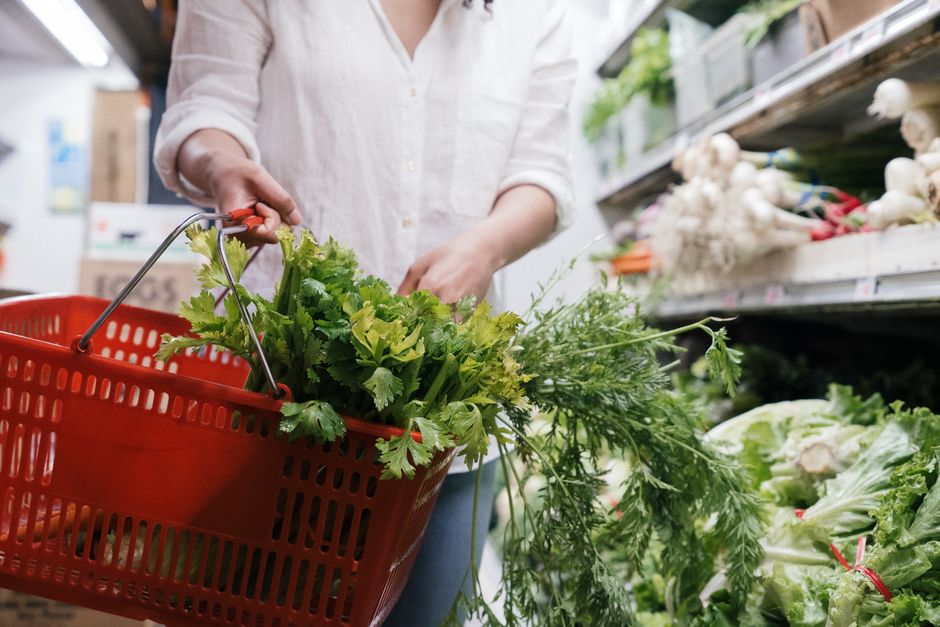
Feeding a family in the United States is one of the biggest budget challenges today. Food is the third-largest annual expense for American households, taking up about 12.9% of their budget. According to recent data, the average household spends over $10,169 a year on food. For many Hispanic households in the U.S., which often feature larger or multi-generational families, this pressure is even higher. While a single person might spend $283 a month on groceries, a household of five or more averages at least $856 according to federal data.
Although grocery price hikes have slowed compared to recent years, the USDA’s latest forecasts show that food-at-home prices are still expected to rise by about 2.4% in 2026. This means we cannot simply wait for prices to drop. Instead, we must shop smarter. You do not have to buy low-quality food to save money; a few strategic adjustments can keep your meals delicious while keeping your hard-earned money in your wallet.
1. Strategize Your Proteins
Proteins usually dominate the grocery bill, and beef prices are forecast by the USDA to surge by 9.4% in 2026. If traditional dishes in your home rely heavily on beef, this increase can quickly blow your budget. To counter this, look for high-quality, budget-friendly alternatives:
- Embrace eggs: Egg costs are forecast to drop by a massive 29.4% in 2026, making them one of the most affordable and versatile protein sources available.
- Use plant proteins: Beans and lentils are cheap, packed with fiber, and highly nutritious. They are perfect for stretching a meal.
- Opt for chicken or pork: These remain significantly cheaper than beef, especially when buying bone-in cuts which also add more flavor to soups and stews.
2. Eliminate Food Waste
One of the easiest ways to save money is changing what you throw away. The EPA reports that the average person wastes about $728 per year on food they buy but never eat. For a family of four, that is nearly $3,000 annually going to waste.
To stop this financial leak, try planning your meals around ingredients you already have. Embrace a weekly “clean-the-fridge” dinner to use up ingredients, and learn proper food storage techniques—like freezing fresh cilantro, peppers, or ripe bananas before they spoil—to get 100% of the value from your grocery runs.
3. Trust Store Brands for Pantry Staples
Many believe store brands mean lower quality, but labels like Target’s Good & Gather or Kroger’s Simple Truth are often made by the same major manufacturers as name brands. They simply cost 20% to 30% less because they do not require heavy advertising budgets.
Start swapping out name brands for store brands on basic staples like flour, sugar, canned beans, rice, and spices. You will get the exact same quality and taste at the dinner table, but with a much lighter checkout total.
4. Rethink Your Produce
With fresh vegetable prices forecast to rise by 5.7% in 2026 due to weather disruptions and high shipping costs, buying strictly in-season fruits and veggies is essential for keeping costs down. When seasonal options are limited, head to the freezer aisle. Frozen vegetables are harvested and frozen at peak ripeness, retaining all of their nutrients while costing significantly less and lasting for months without spoiling.
Saving money on household purchases does not mean sacrificing the quality of the food you feed your family. By understanding market trends, reducing waste, and making intentional swaps, you can easily save hundreds of dollars a month while keeping your meals nutritious and satisfying.
Fuentes consultadas
- theguardian.com
- consumeraffairs.com
- fool.com
- groceriestracker.com
- grocerytradenews.com
- mealthinker.com
- forbes.com
Photo by Mike Jones on Pexels